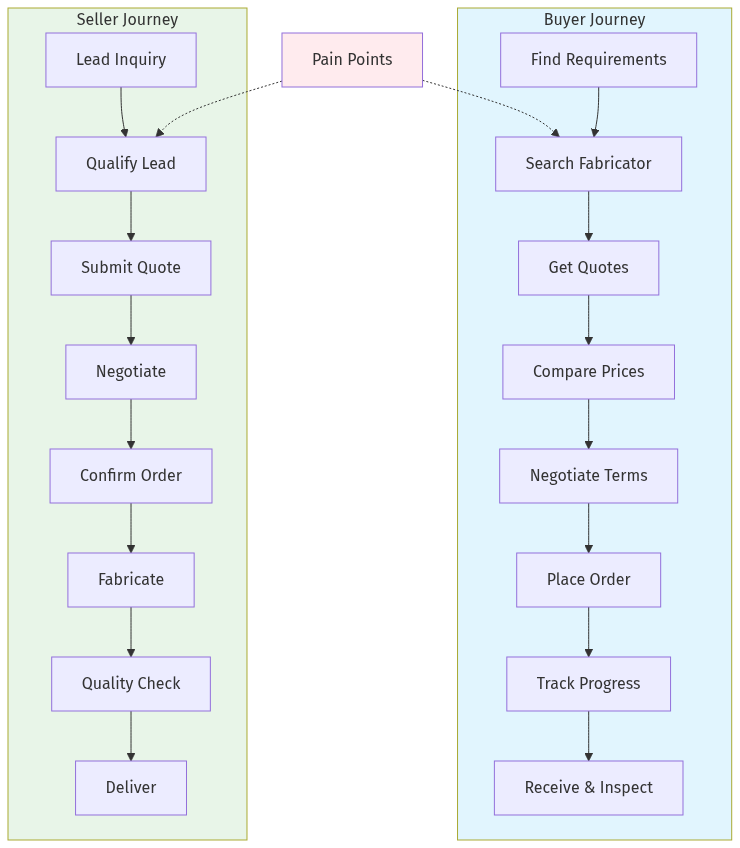
Let's strip away assumptions and ask: Why do 100K+ buyers still source custom springs via phone/WhatsApp?
The Complexity of Custom Spring Procurement
Springs aren't commodities. A compression spring for an automotive suspension has nothing in common with a torsion spring for an industrial door. The variables include:
- Material: Music wire, stainless steel, chrome silicon, inconel
- Specifications: Wire diameter, outer diameter, free length, coils, end type
- Performance: Load capacity, travel distance, spring rate (k), torque
- Environment: Temperature range, corrosion resistance, fatigue life
A buyer typically needs to specify 8-12 technical parameters to get an accurate quote. Get one wrong, and the entire batch is useless.
Why Relationships Matter More Than Price
In most B2B markets, price is the deciding factor. In custom springs, trust in quality and delivery outweighs price for most buyers. Why?
No second-chance testing: A spring failure in automotive applications can cause safety failures
High switching cost: Qualifying a new supplier takes 3-6 months of testing
Small batch economics: Most orders are 100-10,000 units—too small for large manufacturers, too specialized for traders
This creates a market where existing relationships are incredibly sticky, and new entrants face enormous friction.